
Not all cardboard is the same. This is one of those things that sounds obvious until you actually hold two boxes side by side — one made from the right material for the job, one from whatever was cheapest — and feel the difference immediately.
At Itemsbox, the material choice is the first decision we make on every order. Get it wrong, and no amount of good cutting or clean print will save the result. Get it right, and the box does everything it is supposed to do: it holds its shape, opens and closes with the right resistance, protects whatever is inside, and communicates quality before the product is even seen.
Corrugated vs. solid board — and when each is right
The two main materials we work with are corrugated cardboard and solid (or greyboard-backed) cardboard.
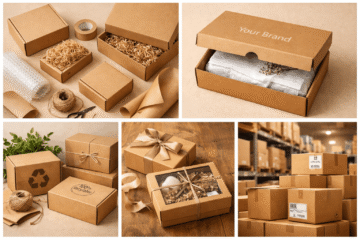
Corrugated cardboard — the fluted, layered kind — is a structural material. It has exceptional strength-to-weight ratio, which is why it has been the default for shipping boxes for over a century. But corrugated is not just for brown mailers. We use it for larger custom packaging, outer boxes for product shipping, and structural elements within packaging systems. Our black corrugated cardboard house kits are a good example of what corrugated can look like when treated as a design material rather than just a utility one — the texture, the depth, the way it takes a fold — it has genuine character.
Solid cardboard is the material of choice for presentation packaging: gift boxes, retail product boxes, cosmetics packaging, and anything where the surface needs to look clean, print clearly, and hold precise folds without buckling. The weight of the board — measured in grams per square metre — determines how rigid the finished box feels. A lightweight board flexes; a well-specified solid board snaps to shape and stays there.
Weight matters more than most people realise
One of the most common conversations we have with first-time custom packaging customers is about board weight. The instinct is often to specify lighter board to save on cost. And yes, lighter board costs less. But a box that feels flimsy undermines the product inside it. If you are selling a premium candle, a handmade cosmetic, a quality food product, or anything that carries a price point above the commodity level, the packaging needs to feel like it was made for something worth having.
We advise on board weight as part of every custom consultation — not to upsell, but because getting it right is simply part of making the job properly.
Scores, folds, and why precision cutting changes everything
The other dimension of quality that is easy to overlook is how the cardboard is cut and scored. Our plotter cutting equipment allows us to score fold lines with precision, which is what produces clean, sharp edges on a finished box rather than ragged or uneven folds. A box folded along a clean score line sits flat, meets flush at the corners, and gives the whole construction a finished, intentional look.
This is the difference between a box that looks handmade in a good way — precise, considered, crafted — and one that looks handmade in the other way.
Ecological materials by default
Cardboard is one of the most recyclable packaging materials available, and we source responsibly. All our cardboard materials are recyclable, and where customers request it, we can work with unbleached, FSC-certified, or biodegradable-coated materials. This matters increasingly to our customers’ own buyers — sustainable packaging is no longer a premium niche, it is an expectation in many product categories.